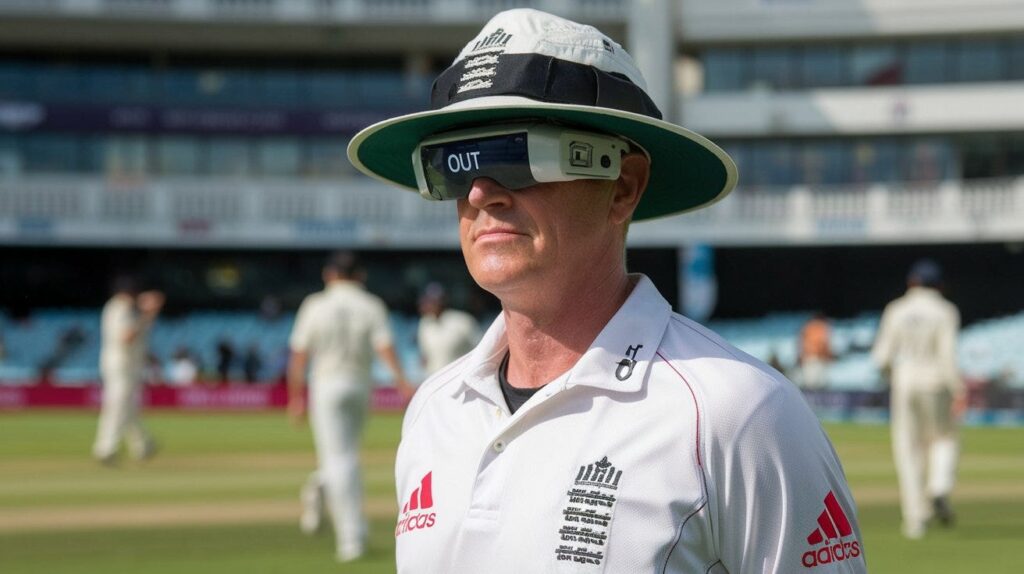
Cricket umpiring technology integration revolutionized decision-making accuracy through ball-tracking, edge detection, and video review systems while creating debates about human authority versus technological precision. This evolution reflects broader tension between tradition and innovation.
Decision Review System Implementation
DRS transformed cricket umpiring by enabling players challenging on-field decisions through technological verification. This system reduces egregious errors while maintaining human umpires as primary authority. Limited reviews prevent excessive challenges disrupting match flow.
Initial DRS resistance gradually gave way to acceptance as accuracy benefits became undeniable. However, debates continue regarding umpire’s call margins and review limitations. These ongoing discussions demonstrate technology integration’s complexity beyond simple implementation.
Hawk-Eye Ball Tracking
Hawk-Eye technology predicts ball trajectories with remarkable precision using multiple camera angles and computer modeling. This system revolutionized LBW decisions through accurate impact and wicket-hitting predictions. Visual representations help viewers understanding complex decisions.
Despite high accuracy, Hawk-Eye occasionally produces controversial predictions particularly on turning pitches. Understanding technology’s limitations prevents over-reliance while appreciating genuine benefits. No system achieves perfect accuracy under all conditions.
Ultra-Edge Sound Detection
Ultra-Edge uses audio frequency analysis detecting faint bat-ball contact invisible to naked eye. This technology virtually eliminates caught-behind disputes through objective edge identification. Sound-wave visualization provides compelling evidence for decisions.
However, Ultra-Edge sometimes registers extraneous sounds creating confusion. Differentiating actual edges from bat-pad contact or other sounds requires careful interpretation. Technology assists rather than replaces human judgment.
Hot Spot Infrared Imaging
Hot Spot employs infrared cameras detecting friction heat from bat-ball contact. This technology provides visual evidence of edges through thermal imaging. The system offers alternative edge detection method supplementing Ultra-Edge.
Hot Spot limitations include missing certain edge types and high operational costs. These constraints led to reduced usage despite technological sophistication. Cost-benefit considerations affect technology adoption beyond pure accuracy.
Snickometer Audio Analysis
The original Snickometer predated Ultra-Edge using oscilloscope readings showing sound spikes coinciding with ball-bat proximity. This pioneering technology established audio-based edge detection principles. Modern systems built upon Snickometer’s foundational concepts.
Broadcasting uses Snickometer variations providing viewers with decision insights. These tools educate audiences about umpiring complexity while adding entertainment value. Technology enhances spectator understanding beyond mere decision verification.
Front-Foot No-Ball Monitoring
Automated front-foot no-ball detection removes this responsibility from on-field umpires enabling complete attention to other dismissal types. Technology monitors landing positions more accurately than human observation during deliveries.
This system reduces missed no-balls that occasionally dismiss batsmen illegally. Consistent enforcement through technology ensures fairness while removing contentious officiating element. Automation handles repetitive monitoring tasks efficiently.
Third Umpire Evolution
Third umpires initially handled only obvious decisions like run-outs before expanding to comprehensive review responsibilities. This role evolution reflects technology’s expanding capabilities and increasing decision-making complexity requiring specialized expertise.
Modern third umpires access multiple technological tools making informed decisions through comprehensive evidence review. This specialized position requires training and expertise beyond traditional field umpiring. Technology creates new officiating specializations.
Umpire’s Call Controversy
DRS maintains “umpire’s call” for marginal decisions where technology cannot definitively overturn original judgments. This provision acknowledges technology’s limitations while preserving human authority. However, fans often debate umpire’s call fairness.
Marginal decisions falling within umpire’s call ranges create perceived inconsistency where identical deliveries receive different decisions based on original calls. This perception challenges DRS credibility despite being intentional system design recognizing technological limitations.
Cost and Accessibility
Comprehensive umpiring technology requires substantial investment limiting usage to well-funded international and franchise cricket. Domestic and amateur cricket lacks technology access creating officiating quality disparities. Cost barriers prevent universal technology adoption.
Simplified affordable technology versions could democratize access beyond elite cricket. However, development requires investment and market demand. Technology accessibility remains cricket’s ongoing challenge affecting competitive equity.
Impact on Umpiring Authority
Technology reduces umpire authority as decisions face potential player challenges and technological scrutiny. Some umpires resent this diminished autonomy while others appreciate error protection. Technology fundamentally alters umpiring psychology and experience.
Public scrutiny of decisions increased through technology revealing previous error rates. This transparency creates accountability while generating pressure. Umpiring became more stressful despite technological assistance intended reducing burden.
Future Technology Possibilities
Artificial intelligence might enable real-time automated decision-making without human umpires for certain decision types. This automation could improve accuracy while raising philosophical questions about human officiating’s role and value.
Augmented reality might provide umpires with visual overlays showing ball trajectories and impact points in real-time. This technology could enhance human decision-making without replacing officials. Collaborative human-AI officiating represents potential future.
Broadcasting Enhancement
Technology provides viewers with comprehensive decision explanations through visual and audio evidence. These tools educate audiences about cricket’s complexity while adding entertainment value. Broadcasting technology serves dual functions supporting umpiring and enhancing viewer experience.
Slow-motion replays, multiple angles, and analytical graphics make television cricket potentially more comprehensible than live attendance. Technology advantages sometimes favor broadcast viewing over physical presence.
Player Adaptation
Modern players understand technology’s capabilities adjusting behaviors accordingly. Batsmen know marginal LBW decisions might receive umpire’s call protection while bowlers recognize review limitations. This tactical awareness affects playing strategies.
Players must manage reviews strategically deciding which decisions merit challenges. This resource management adds tactical dimension absent from pre-DRS cricket. Technology creates new strategic considerations beyond pure cricketing skills.
Conclusion
Cricket umpiring technology integration dramatically improved decision accuracy while creating new complexities regarding human authority, cost accessibility, and philosophical questions about officiating’s nature. This evolution reflects cricket’s broader tension between traditional values and modern innovation. Future developments promise further technological integration requiring continued navigation between accuracy benefits and cricket’s essential human character requiring judgment, interpretation, and occasional imperfection acknowledging sport’s inherent uncertainty.
You may also like
-
Cricket Simulator Training – Weather-Proof Practice Revolution
-
Asia Cup 2025 – Continental Cricket Supremacy
-
Cricket’s Fan Culture Revolution – From Stadiums to Digital Communities
-
The Greatest World Cup Moments in Cricket History
-
Cricket Sponsorship and Brand Partnerships – The Business Behind the Game