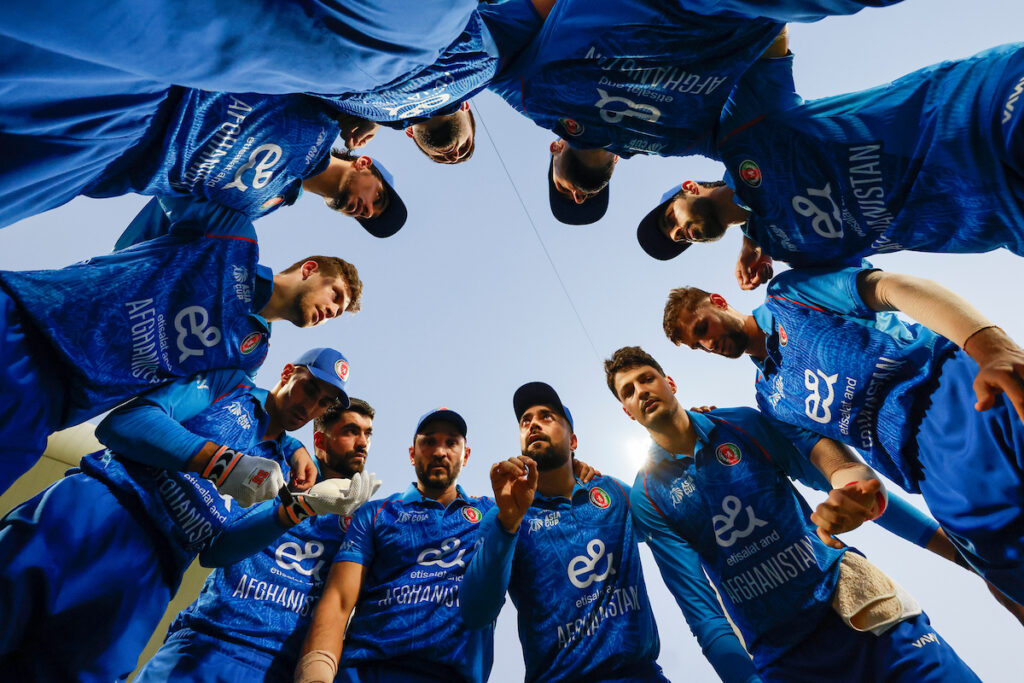
Cricket history features remarkable comebacks where teams overcame seemingly impossible situations through exceptional skill, determination, and mental fortitude. These legendary performances demonstrate sport’s dramatic unpredictability and human capacity for resilience under extreme pressure.
Eden Gardens 2001 – India vs Australia
India facing follow-on after disastrous first innings response produced one of Test cricket’s greatest comebacks. VVS Laxman’s 281 and Rahul Dravid’s 180 created 376-run partnership transforming certain defeat into famous victory. This performance remains Indian cricket’s most celebrated achievement.
Australia’s invincible image shattered as India’s tail-enders defended crucial runs completing miraculous victory. The match demonstrated cricket’s capacity for dramatic reversals when talented teams refuse surrendering. Mental strength proved equally important as technical skills.
Headingley 2019 – England vs Australia
England required seemingly impossible final-wicket partnership with Ben Stokes producing match-winning 135 not out alongside Jack Leach’s defensive support. This dramatic victory featured extraordinary individual heroics supported by crucial partnership resilience. The match instantly achieved legendary status.
Stokes demonstrated exceptional skill and mental fortitude maintaining composure through extreme pressure. His calculated risk-taking combined with Leach’s determined defense created unforgettable sporting drama. Individual brilliance within team context produced miraculous outcome.
438 Chase – South Africa vs Australia 2006
South Africa successfully chased 438 runs setting world record for highest successful ODI chase. This achievement shattered conventional wisdom about chaseable targets while demonstrating modern batting aggression capabilities. The match revolutionized perceptions about achievable run chases.
Individual centuries from multiple batsmen created sustained momentum throughout innings. This collective batting excellence rather than sole individual heroics demonstrated team depth. The partnership approach proved more reliable than depending on single player.
Kolkata 2001 IPL Final – Rajasthan vs Chennai
Rajasthan Royals chased down Chennai Super Kings’ total in dramatic final-over victory featuring Shane Watson’s heroic century. This inaugural IPL final established tournament’s dramatic entertainment value. Close finishes became IPL’s trademark attracting massive audiences.
Watson’s performance despite serious injury demonstrated professional commitment and physical courage. Playing through pain for team victory exemplified ideal sporting values. His heroics inspired teammates while demoralizing opponents.
Lord’s 2005 – England vs Australia
England’s dramatic two-run victory featured Australia falling agonizingly short chasing modest target. This narrow victory demonstrated Test cricket’s tension even with small totals. Every run and dismissal carried enormous significance.
England’s disciplined bowling under extreme pressure secured series-leveling victory. This collective performance rather than individual heroics demonstrated team resilience. Maintaining composure during pressure situations separated winners from losers.
Mumbai 2004 – India vs Pakistan
India chased 350-plus target against Pakistan through Tendulkar’s masterful innings. This successful chase in tense India-Pakistan encounter created memorable moment. Individual brilliance within charged atmosphere produced legendary performance.
The geopolitical rivalry context amplified sporting achievement’s significance. Success against Pakistan carries special meaning for Indian cricket. These encounters transcend normal sporting contests becoming cultural moments.
Sydney 2008 – India’s Fightback
India’s dramatic final-day resistance securing draw after following-on demonstrated exceptional character. Multiple partnerships frustrated Australian victory attempts. This dogged defensive batting required different mental approach from aggressive chase scenarios.
Occupying crease for extended periods requires immense concentration and discipline. Defensive batting glory often receives less recognition than aggressive achievements despite equal difficulty. This performance demonstrated Test cricket’s varied skill requirements.
Cape Town 2003 – Australia’s Record Chase
Australia successfully chased 434 runs against South Africa producing then-world record successful chase. This extraordinary achievement featured sustained batting excellence across entire order. The record demonstrated modern cricket’s increasingly aggressive batting philosophy.
Chasing such targets requires fearless approach accepting risks inherent in aggressive batting. This mentality shift from conservative batting produced entertaining high-scoring cricket. Risk-taking occasionally produces dramatic victories justifying aggressive philosophy.
Chennai 1999 – India vs Pakistan
India defended modest total through exceptional bowling performance against strong Pakistani batting. This low-scoring thriller demonstrated bowlers can determine outcomes despite batting-dominated modern cricket. Disciplined bowling under pressure secured famous victory.
Pressure situations reveal character as players either rise or crumble. This match featured players embracing pressure rather than avoiding it. Mental strength proved decisive factor separating teams.
Psychological Factors
Successful comebacks require unwavering belief despite overwhelming odds. Teams surrendering mentally guarantee defeats regardless of theoretical possibilities. Maintaining positive mindset creates comeback opportunities while negative thinking ensures failure.
Individual players often catalyze comebacks through inspirational performances lifting teammates. These talismanic efforts create momentum shifts changing match trajectories. Leadership during crises defines sporting greatness.
Tactical Adjustments
Recognizing unsuccessful tactics and adapting quickly enables comeback attempts. Stubborn teams persisting with failing approaches rarely succeed. Tactical flexibility demonstrates intelligence and pragmatism essential for reversing situations.
Bold captaincy decisions risk criticism if unsuccessful but produce glory when succeeding. Conservative captaincy rarely produces comebacks. Risk-taking represents necessary comeback component.
Momentum Management
Gradual momentum building through small successes creates sustainable comebacks. Attempting dramatic immediate reversals often fails. Patient pressure accumulation eventually produces breakthroughs.
Maintaining momentum once established requires concentration preventing lapses. One bad session can reverse hard-earned advantages. Consistency separates successful from failed comeback attempts.
Team Unity Importance
Collective belief and mutual support enable sustained comeback efforts. Divided teams rarely produce comebacks as individuals prioritize self-protection. Unity creates strength beyond talent summation.
Players encouraging teammates during difficult periods maintains morale enabling continued effort. This emotional support represents crucial yet often overlooked comeback component. Team culture determines resilience capacity.
Conclusion
Cricket’s greatest comebacks demonstrate sport’s dramatic unpredictability and human capacity for extraordinary achievement under pressure through combination of skill, determination, and mental fortitude overcoming apparently insurmountable obstacles. These legendary performances inspire players and fans alike proving that cricket matches remain undecided until final delivery. The comeback possibility maintains cricket’s dramatic tension keeping audiences engaged throughout matches regardless of apparently conclusive positions.
You may also like
-
Cricket Simulator Training – Weather-Proof Practice Revolution
-
Asia Cup 2025 – Continental Cricket Supremacy
-
Cricket’s Fan Culture Revolution – From Stadiums to Digital Communities
-
Cricket Umpiring Technology – When Humans Meet Machines
-
Cricket Sponsorship and Brand Partnerships – The Business Behind the Game