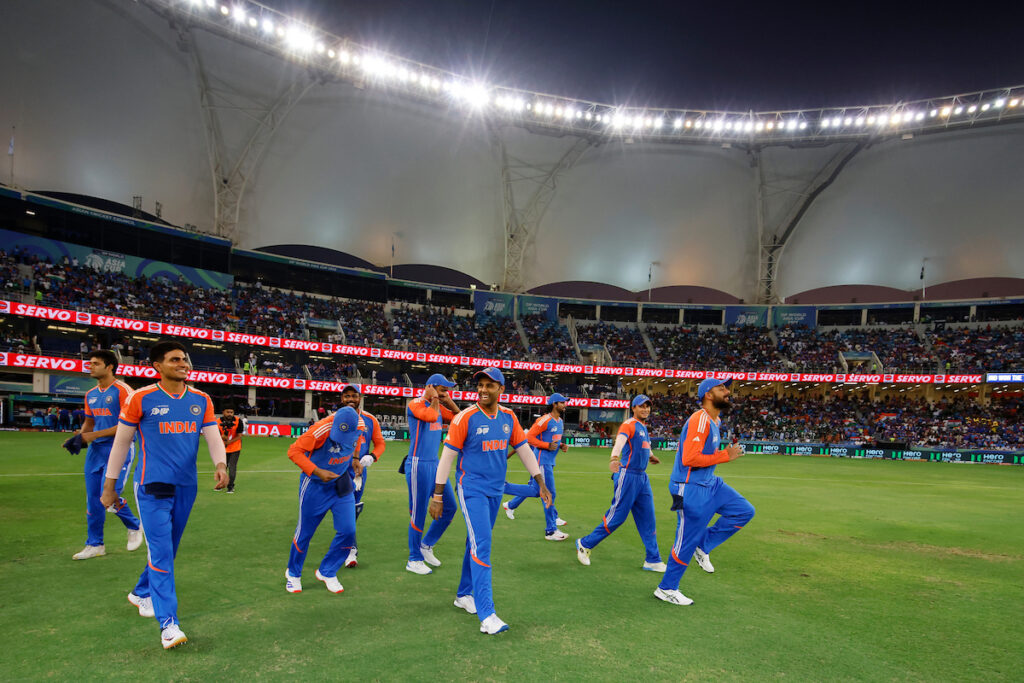
Cricket fan culture transformed from passive stadium attendance to active digital engagement creating global communities connected through social media, fantasy leagues, and interactive platforms. This evolution reshapes fan-team relationships while generating new commercial opportunities.
Traditional Stadium Experience
Historical cricket fandom centered on physical stadium attendance experiencing matches firsthand among fellow supporters. These communal experiences created shared memories and tribal identities around specific teams. Stadium atmospheres with chants, costumes, and collective celebrations defined cricket culture.
Generational attendance patterns passed team loyalties from parents to children through shared stadium experiences. These traditions created deep emotional connections transcending mere entertainment. Physical presence represented authentic fandom distinguishing dedicated supporters from casual observers.
Digital Fan Communities
Social media platforms enable global cricket communities discussing matches in real-time regardless of geographic location. Twitter, Facebook, and Reddit host vibrant cricket discussions connecting dispersed fans. These virtual communities replicate stadium camaraderie digitally.
Online forums provide spaces for detailed tactical analysis, statistical debates, and historical discussions. These specialized communities attract knowledgeable enthusiasts seeking deeper engagement than casual social media. Digital platforms accommodate varied engagement levels from casual to obsessive fandom.
Fantasy Cricket Explosion
Fantasy cricket platforms transform passive viewers into active participants building virtual teams and competing based on real player performances. This gamification creates investment in matches and individual player statistics beyond supporting favorite teams.
Fantasy leagues generate substantial revenue while increasing match viewership and engagement. Players previously ignored receive attention for fantasy value. This phenomenon democratizes fan interest across players and teams beyond traditional powerhouses.
Fan-Created Content
Supporters create extensive cricket content including blogs, podcasts, YouTube channels, and Instagram accounts. This democratized media production challenges traditional cricket journalism. Fan creators often provide passionate perspectives and innovative content formats.
Some fan creators achieve professional status through sustained quality and audience building. This career pathway never existed historically when media production required institutional backing. Digital tools enable individual content entrepreneurship.
Meme Culture Impact
Cricket memes spread rapidly across social media creating humorous commentary on matches, players, and controversial moments. This meme culture particularly attracts younger audiences engaging cricket through humor and viral content. Memes extend cricket’s cultural penetration beyond dedicated fans.
Some players embrace meme culture engaging humorously with online content about themselves. This self-awareness humanizes professional cricketers building authentic connections with digital-native audiences. Meme literacy represents modern cricket communication.
Match-Day Rituals
Fans maintain elaborate pre-match rituals including specific clothing, food, viewing locations, and company believing these habits influence outcomes. These superstitions create personal investment and narrative drama. Ritual behaviors demonstrate cricket’s emotional significance transcending rational entertainment.
Sharing rituals through social media creates collective experiences despite physical separation. Fans document their match-day preparations and reactions building community through shared practices. Digital platforms enable coordinated global fan experiences.
Player-Fan Interaction
Social media enables direct communication between cricketers and supporters unprecedented in cricket history. Players respond to fans, share personal content, and provide behind-scenes glimpses. This accessibility transforms distant celebrities into relatable personalities.
However, direct access also exposes players to abuse and harassment. Managing online toxicity while maintaining engagement proves challenging. Platforms and cricket organizations must protect players while enabling positive fan interaction.
Stadium Atmosphere Evolution
Modern stadiums incorporate digital screens, music, and entertainment maximizing spectator engagement beyond cricket action. These enhancements create theme park-like experiences appealing to families and casual fans. Traditional purists sometimes object to entertainment diluting cricket focus.
Balancing authentic cricket atmosphere against commercial entertainment proves delicate. Successful venues create engaging environments without overshadowing matches. Fan experience design represents crucial stadium management consideration.
Supporter Clubs and Organizations
Official supporter clubs provide structured fan communities with exclusive benefits including merchandise discounts, player meet-and-greets, and travel arrangements. These organizations formalize fandom creating membership-based communities.
Supporter groups organize coordinated stadium displays, chants, and visual spectacles enhancing match atmospheres. These organized efforts particularly characterize limited-overs cricket creating theatrical environments. Coordinated support elevates spectator experience.
Merchandise and Identity
Cricket merchandise enables fans displaying team affiliations through jerseys, caps, and accessories. Wearing team colors represents visible tribal membership. Merchandise sales generate substantial revenue while strengthening fan-team connections.
Limited edition and retro merchandise creates collector markets. Fans invest significantly in cricket memorabilia demonstrating devotion through purchasing behavior. Commercial and emotional motivations intertwine in merchandise consumption.
Cross-Format Allegiances
Fans navigate complex loyalties across international teams, franchise leagues, and domestic competitions. Supporting multiple teams across formats creates layered identities. This complexity reflects modern cricket’s fragmented landscape.
Some fans prioritize national teams while others focus on franchise loyalties. These varied priorities demonstrate cricket fandom’s diversity. Multiple engagement pathways accommodate different fan psychology and preferences.
Toxic Fandom Challenges
Online anonymity enables abusive behavior including player harassment, discriminatory comments, and threatening messages. This toxicity damages cricket culture while affecting player mental health. Addressing online abuse requires platform moderation and community standards enforcement.
Extreme nationalism sometimes manifests through aggressive online behavior during international matches particularly India-Pakistan contests. Managing passionate support without descending into hostility challenges cricket authorities and social platforms.
Global vs Local Identity
Cricket fandom balances global participation with local identity. International stars attract worldwide followings while domestic players maintain regional connections. This dual identity enriches cricket culture through multiple engagement layers.
Expatriate communities use cricket maintaining cultural connections with homelands. Watching national teams provides emotional links to origins. Cricket serves identity-maintenance function for diaspora populations.
Future Fan Engagement
Virtual reality might enable immersive stadium experiences from home with 360-degree viewing and simulated crowd presence. Augmented reality could overlay player statistics and tactical information onto live viewing. These technologies promise revolutionary fan experiences.
Artificial intelligence might create personalized content and recommendations matching individual preferences. Machine learning could predict fan interests delivering customized cricket experiences. Technology continues reshaping fan engagement possibilities.
Conclusion
Cricket fan culture evolution from physical stadium attendance to digital community engagement transforms supporter experiences while creating new commercial opportunities and challenges. Modern fandom embraces multiple platforms and engagement methods from traditional attendance through fantasy participation to social media interaction. This transformation democratizes cricket access while generating complexity requiring navigation by fans, players, organizations, and platforms m